
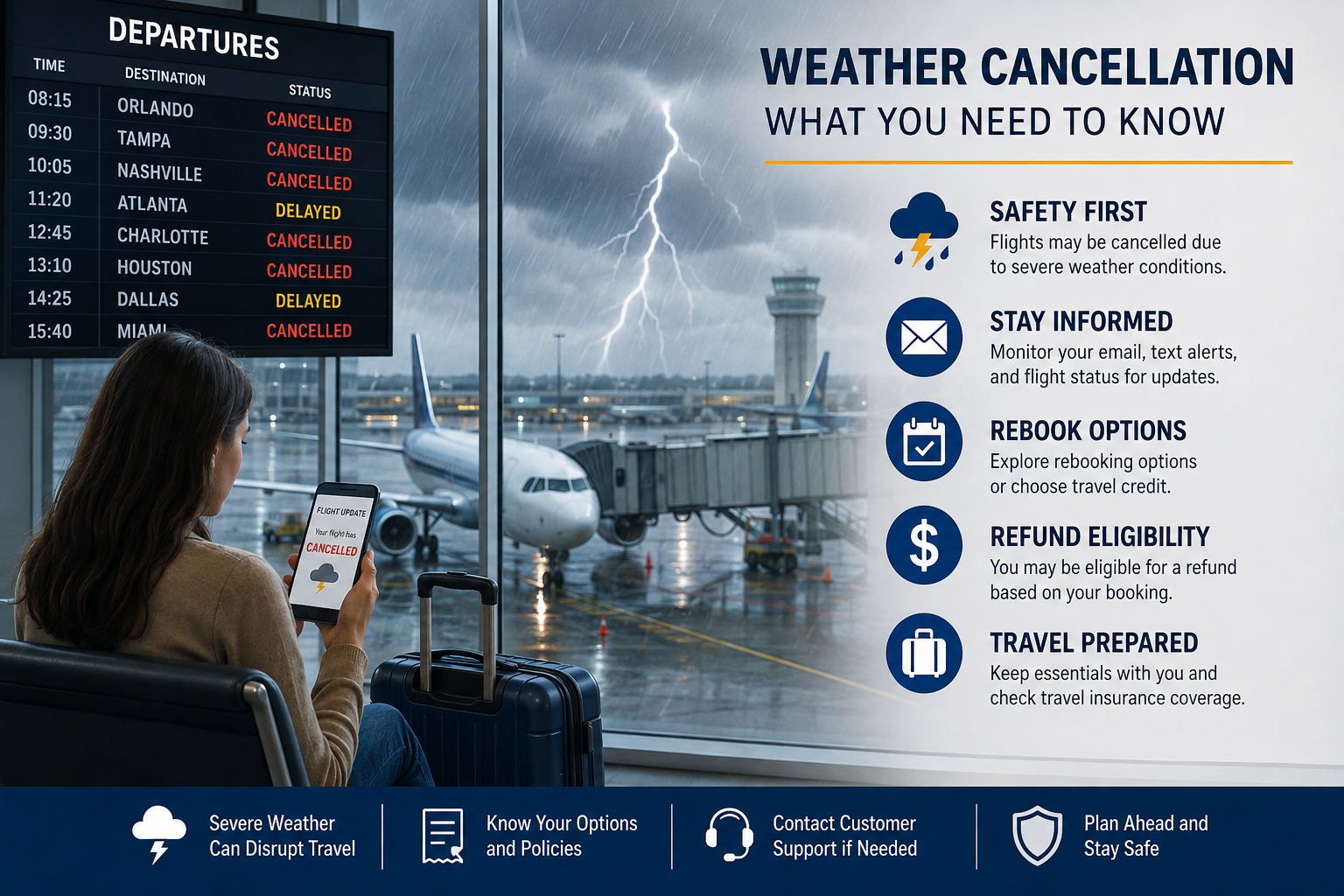
Weather can change travel plans in a matter of minutes. Thunderstorms, hurricanes, snowstorms, dense fog, high winds, and airport safety restrictions often force airlines to delay or cancel flights. While these situations are frustrating, airlines prioritize passenger and crew safety over maintaining flight schedules.
If you’re dealing with an Avelo Airlines Cancellation due to Weather, understanding your options can reduce stress and help you make informed decisions. Knowing how Avelo handles weather-related disruptions, what refunds or travel credits may be available, and how to rebook your trip can save valuable time when every minute counts.
Unlike mechanical issues or staffing shortages, weather events are outside an airline’s control. Because of this, different rules often apply to refunds, compensation, and travel assistance. Learning these policies before you travel can help you prepare for unexpected disruptions.
This guide provides expert insights into Avelo’s weather cancellation process, explains what travelers should expect, and shares practical tips to help you navigate travel disruptions with confidence.
What This Article Explains
By the end of this guide, you’ll understand:
- Why Avelo Airlines cancels flights because of weather
- How weather-related cancellations differ from other flight disruptions
- What happens after your flight is cancelled
- Whether you’re eligible for a refund or travel credit
- How to rebook your trip quickly
- What travel insurance may cover
- Tips to reduce the impact of severe weather
- How to stay informed with flight updates
- Common mistakes travelers should avoid
- Answers to frequently asked questions
What to Know About Avelo Airlines Weather Cancellations
An Avelo Airlines weather cancellation occurs when unsafe weather conditions prevent a flight from operating safely. Airlines continuously monitor forecasts, airport conditions, air traffic restrictions, and guidance from aviation authorities before deciding whether a flight should proceed.
Common weather events that may lead to cancellations include:
- Severe thunderstorms
- Heavy snowfall
- Hurricanes and tropical storms
- Tornado warnings
- Dense fog
- Lightning activity
- Strong crosswinds
- Flooding near airports
- Volcanic ash in rare cases
- Air traffic control weather restrictions
The decision to cancel a flight is based on safety rather than convenience. Pilots, dispatch teams, airport authorities, and aviation regulators work together to assess changing conditions throughout the day.
Why Airlines Cancel Flights Instead of Delaying Them
Sometimes delaying a flight is not enough. If forecasts show that severe weather will continue for several hours or airport operations have stopped completely, cancellation becomes the safest and most practical option.
For example, if a hurricane is expected to reach an airport before departure, cancelling flights early allows passengers to make alternative arrangements instead of waiting at the airport for extended periods.
Industry experts recommend checking weather forecasts before departure during storm seasons, especially when traveling through regions prone to hurricanes or winter storms.
Common Weather Conditions That Affect Avelo Flights
Weather affects every airline differently depending on the airport, aircraft schedule, and route network. Even if the weather appears clear at your departure airport, conditions at the destination or along the flight path can still cause cancellations.
The most common weather disruptions include:
| Weather Condition | Impact on Flights |
|---|---|
| Thunderstorms | Ground stops and departure delays |
| Heavy Rain | Reduced airport operations |
| Snowstorms | Runway closures and aircraft deicing |
| Dense Fog | Limited visibility for takeoff and landing |
| Strong Winds | Unsafe landing conditions |
| Hurricanes | Airport closures and widespread cancellations |
| Ice Storms | Aircraft safety concerns |
| Lightning | Temporary suspension of ground operations |
Travelers should remember that a cancellation may result from weather hundreds of miles away if it affects the aircraft scheduled to operate their flight.
Seasonal Travel Risks
Certain times of the year present a higher risk of weather disruptions.
- Summer often brings thunderstorms and hurricanes.
- Winter increases the likelihood of snow, ice, and freezing rain.
- Spring may include tornadoes and heavy rainfall.
- Autumn can see tropical storm activity in coastal regions.
Planning ahead during these seasons can reduce unexpected travel challenges.
What Happens If Avelo Airlines Cancels Your Flight Due to Weather?
When Avelo Airlines cancels a flight due to weather, passengers are usually notified through their registered email address, text message, or the airline’s mobile communication system if contact details have been provided during booking.
After receiving a cancellation notice, travelers should act quickly to review their available options.
Typical next steps include:
- Confirm the cancellation notification.
- Check your updated reservation.
- Review available rebooking options.
- Determine whether a refund or travel credit applies.
- Monitor your email for further instructions.
- Keep all travel documents and receipts.
- Contact customer support if additional assistance is needed.
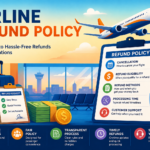
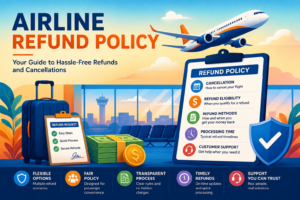
Refunds, Travel Credits, and Rebooking After a Weather Cancellation
One of the first questions travelers ask after an Avelo Airlines Cancellation due to Weather is whether they will receive a refund, a travel credit, or a new flight. The answer depends on the circumstances of the cancellation, the type of fare purchased, and the options offered by the airline at the time of disruption.
Because weather is considered an uncontrollable event, airlines generally focus on helping passengers continue their journey rather than offering compensation for the inconvenience. However, travelers may still have several options available.
Refund Eligibility
A refund may be available if:
- Your flight was cancelled and no suitable alternative is accepted.
- The airline is unable to transport you within a reasonable timeframe.
- You decide not to travel after reviewing the available options.
- Your reservation qualifies under the airline’s applicable refund policy.
Always review the cancellation notification carefully, as it usually explains the choices available for your booking.
When Travel Credits May Be Offered
Instead of a refund, some passengers may receive travel credit that can be applied toward a future booking.
Travel credits can be useful if:
- You still plan to travel later.
- Your destination is expected to reopen soon.
- You prefer flexible travel instead of cancelling your trip completely.
Before accepting a travel credit, confirm:
- The expiration date.
- Whether the credit is transferable.
- Any fare difference that may apply when booking a new flight.
Rebooking Options
If your flight is cancelled because of severe weather, rebooking is often the quickest way to continue your trip.
Passengers should:
- Check their updated reservation.
- Review available alternative flights.
- Select a suitable travel date.
- Confirm the new itinerary.
- Save the updated boarding information.
Early action is important because seats on later flights can fill quickly during widespread weather disruptions.
Does Avelo Airlines Provide Compensation for Weather Cancellations?
In most cases, airlines do not provide financial compensation when flights are cancelled because of severe weather. Since weather conditions are beyond the airline’s control, these cancellations are treated differently from disruptions caused by operational or mechanical issues.
However, travelers should still review the options available, as they may qualify for:
- Flight rebooking
- Travel credits
- Refunds in certain situations
- Customer assistance based on the circumstances
Understanding the Difference
The following table explains how different types of cancellations are generally handled.
| Situation | Typical Passenger Option |
|---|---|
| Severe weather | Rebooking or eligible refund |
| Mechanical issue | Airline assistance may differ |
| Crew scheduling problem | May qualify for additional support |
| Airport closure | Rebooking based on availability |
| Air traffic restrictions | Schedule adjustments |
Although compensation is generally unavailable for weather events, keeping receipts for meals, transportation, or lodging may be beneficial if your travel insurance provides reimbursement.
How to Check Your Flight Status During Bad Weather
Monitoring your flight status is one of the easiest ways to stay informed before traveling.
You should begin checking your flight several hours before departure, especially if severe weather has been forecast.
Reliable ways to monitor your flight include:
- Airline booking confirmation
- Flight status page
- Email notifications
- SMS alerts
- Mobile app notifications
- Airport departure displays
Checking your flight only once is not enough during major storms because conditions can change rapidly.
Tips for Receiving Faster Updates
- Verify your contact information when booking.
- Enable text message alerts.
- Allow push notifications from the airline’s app.
- Monitor local weather forecasts.
- Follow airport announcements.
These simple steps help travelers receive updates sooner and avoid unnecessary trips to the airport.
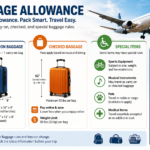
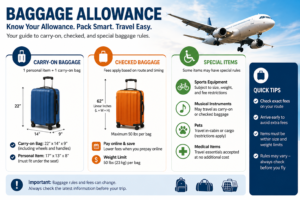
What Happens to Your Checked Baggage?
Baggage is another common concern during weather disruptions.
If your flight is cancelled before your luggage has been loaded onto the aircraft, your checked baggage generally remains at the departure airport until new travel arrangements are made.
If baggage has already entered the airline’s handling system, processing may take longer depending on airport operations.
Passengers should:
- Keep baggage claim receipts.
- Verify baggage status before leaving the airport.
- Remove essential medications and valuables whenever possible.
- Carry important documents in hand luggage.
- Ask baggage services for updated information if delays occur.
Essential Items to Carry
Unexpected cancellations become easier to manage when important belongings stay with you.
Recommended carry-on items include:
- Passport or identification
- Prescription medications
- Phone charger
- Laptop
- Wallet
- Travel insurance documents
- Snacks
- Water bottle
- Change of clothes
- Emergency contact information
Travel Insurance and Weather-Related Flight Cancellations
Travel insurance can reduce the financial impact of severe weather disruptions.
Policies differ, but many plans offer coverage for expenses that airlines may not reimburse.
Depending on your policy, benefits may include:
- Hotel accommodations
- Meal expenses
- Transportation costs
- Missed connections
- Trip interruption
- Trip delay reimbursement
- Emergency assistance
Before purchasing insurance, compare:
- Covered weather events
- Waiting periods
- Maximum reimbursement amounts
- Documentation requirements
- Claim deadlines
Travelers should keep all receipts because insurance companies usually require proof of expenses.
Common Mistakes Travelers Should Avoid
Weather disruptions are stressful, and passengers sometimes make decisions that create additional problems.
Avoid these common mistakes:
- Ignoring cancellation notifications.
- Waiting too long to review rebooking options.
- Throwing away receipts.
- Forgetting to monitor updated flight information.
- Packing medications in checked baggage.
- Assuming every cancellation qualifies for compensation.
- Missing communication from the airline.
- Not reviewing travel insurance coverage.
- Arriving at the airport without checking flight status.
- Booking non-refundable hotels without flexible cancellation policies.
Avoiding these mistakes can save both time and money.
How to Stay Prepared During Weather Flight Cancellations
Experienced travelers prepare for disruptions before they happen.
Consider these practical recommendations:
- Book early morning flights whenever possible.
- Avoid tight connections during storm seasons.
- Purchase travel insurance for important trips.
- Monitor weather forecasts several days before departure.
- Keep electronic copies of travel documents.
- Charge your devices before arriving at the airport.
- Pack essentials in your carry-on.
- Allow extra travel time during winter and hurricane seasons.
- Keep emergency contact numbers readily available.
- Stay calm and act quickly after receiving cancellation notifications.
These habits improve your chances of finding alternative travel arrangements before flights become fully booked.
Frequently Asked Questions
What is an Avelo Airlines weather cancellation?
A weather cancellation occurs when severe weather conditions make it unsafe for an aircraft to operate or when airport operations are suspended due to weather-related hazards.
Can I get a refund if my Avelo flight is cancelled because of weather?
Depending on your booking circumstances and the options provided by the airline, you may be eligible for a refund or offered travel credit or rebooking.
Does Avelo Airlines automatically rebook cancelled flights?
In many situations, passengers receive rebooking options after a weather cancellation, although availability depends on operational conditions.
Will Avelo Airlines pay for my hotel after a weather cancellation?
Hotel accommodations are not generally guaranteed for weather-related disruptions because severe weather is considered outside the airline’s control.
How do I know if my flight has been cancelled?
Monitor your flight through the airline’s flight status page, email notifications, text alerts, or airport information displays.
Should I still go to the airport during severe weather?
Always verify your flight status before leaving home. This can save unnecessary travel if your flight has already been cancelled.
What happens to my checked baggage?
Checked baggage usually remains with the airline until new travel arrangements are made. Processing times may vary depending on airport operations.
Does travel insurance cover weather delays?
Many travel insurance plans cover eligible weather-related expenses such as accommodations, meals, and transportation, depending on the policy terms.
Can thunderstorms delay flights without cancelling them?
Yes. Thunderstorms often cause temporary delays, although prolonged severe weather can eventually lead to cancellations.
Can hurricanes affect flights several days in advance?
Yes. Airlines often adjust schedules before a hurricane arrives to protect passengers, crews, and aircraft.
Are early morning flights less likely to be cancelled?
In many cases, early departures experience fewer operational delays because aircraft and crews begin the day on schedule before weather conditions worsen.
What should I pack during storm season?
Carry medications, chargers, travel documents, valuables, snacks, and a change of clothes in your cabin baggage in case of unexpected delays.